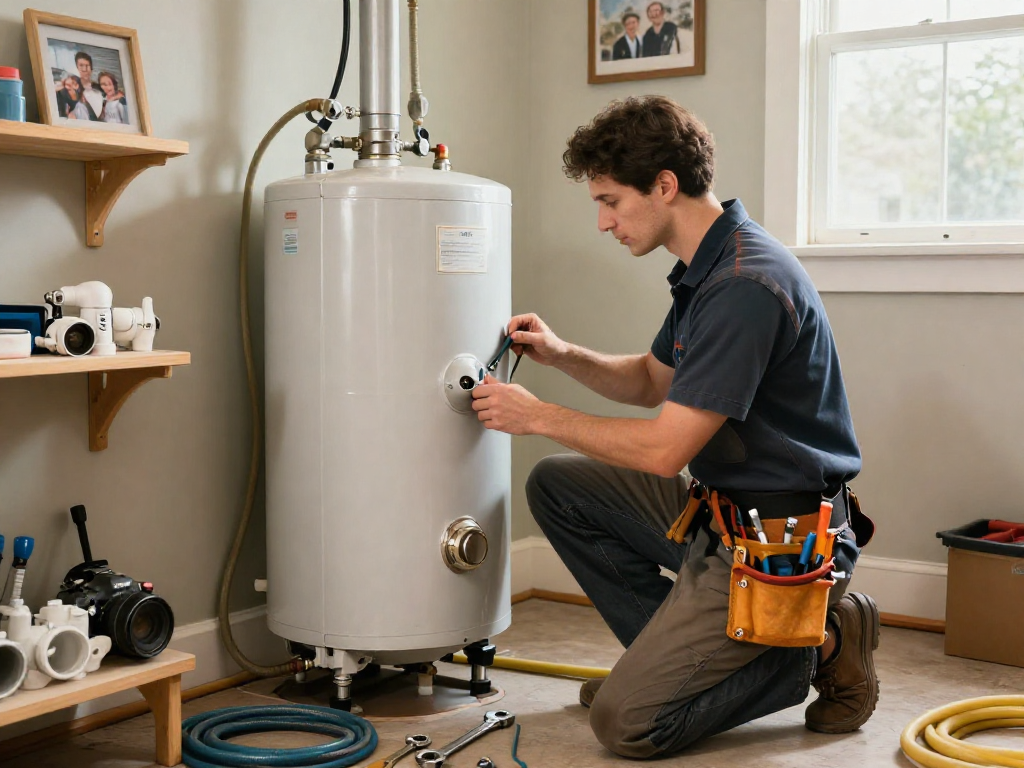
Understanding the Importance of Water Heater Replacement Fort Worth
In the heart of Fort Worth, homeowners rely heavily on their water heaters for everyday activities such as bathing, cooking, and cleaning. As essential components of residential plumbing systems, these fixtures ensure comfort and convenience in our daily lives. However, over time, wear and tear can lead to diminished performance, making it crucial for homeowners to recognize when it's time for a water heater replacement Fort Worth. This article will help you understand the significance of proper maintenance and replacement, ensuring your home remains a sanctuary of warmth and reliability.
Why Homeowners Need Reliable Water Heaters?
Water heaters serve as the backbone of many household tasks, providing hot water on demand. A reliable water heater not only enhances your comfort but also contributes to energy efficiency and lower utility bills. When water heaters fail or operate inefficiently, it can lead to unexpected costs and inconveniences for homeowners. Understanding the importance of a dependable water heater can help avoid these issues, ensuring that your home remains comfortable throughout the year.
Signs Your Water Heater Needs Replacement
Several indicators can signal that a water heater is due for replacement:
- Age: Most water heaters have a lifespan of 10 to 15 years. If yours is approaching this age, consider a replacement.
- Inconsistent Water Temperature: If you notice fluctuations in water temperature, it could indicate that the heating elements are failing.
- Strange Noises: Sounds such as popping, banging, or rumbling can be signs of sediment buildup or failing components.
- Rusty Water: Discolored water can indicate corrosion inside the tank, necessitating immediate replacement.
- Leaks: Any signs of leaking water around the unit suggest that it's time to call a professional.
The Benefits of Water Heater Replacement
Replacing an old water heater brings numerous advantages:
- Improved Efficiency: Newer models often come with enhanced energy efficiency ratings, helping to lower energy costs.
- Increased Capacity: Upgrading can provide more hot water, accommodating larger households or increasing hot water demand.
- Modern Features: New units often include advanced technology, such as smart controls and better insulation.
- Reduced Maintenance Costs: A new water heater is less likely to incur repair expenses compared to an aging system.
Choosing the Right Water Heater for Your Home
With various options available, selecting the right water heater requires careful consideration of your home’s needs:
Types of Water Heaters Available in Fort Worth
- Storage Tank Water Heaters: Conventional models that store hot water in a tank, ready for use.
- Tankless Water Heaters: Provide hot water on demand without storing it, making them energy-efficient.
- Heat Pump Water Heaters: Utilize electricity to move heat from the air or ground to heat water, offering high efficiency.
- Solar Water Heaters: Use solar panels to harness energy from the sun, significantly reducing electricity costs.
Factors to Consider When Selecting a Water Heater
When choosing a water heater, consider the following factors:
- Size and Capacity: Assess your household’s hot water demand to determine the necessary tank size or flow rate.
- Energy Source: Evaluate whether you want to use electricity, gas, or another source based on availability and costs.
- Energy Efficiency: Check the Energy Factor (EF) rating to ensure the model is cost-effective over its lifespan.
- Installation Space: Ensure there’s enough room for the type of water heater you’re considering.
Energy Efficiency Ratings Explained
Understanding energy efficiency ratings is crucial when selecting a water heater. The Energy Factor (EF) measures the efficiency of a water heater; the higher the EF, the more efficient the unit. Additionally, newer models may have ENERGY STAR® certification, indicating they meet strict energy efficiency guidelines set by the EPA. Choosing a unit with a high EF can lead to substantial savings on utility bills and reduce your carbon footprint.
The Water Heater Replacement Process Explained
The replacement process for a water heater involves several key steps to ensure proper installation and functionality:
What to Expect During Water Heater Replacement
When you schedule a water heater replacement, here's what to expect:
- Initial Assessment: A technician will evaluate your current system and discuss options that fit your needs.
- Preparation: The area around the water heater will be prepared for installation, including turning off water and power supply.
- Removal: The old unit will be safely disconnected and removed, ensuring no damage to your home.
- Installation: The new water heater will be installed and connected according to local codes and manufacturer instructions.
- Testing: The technician will test the new unit to ensure it operates efficiently and safely before leaving.
Common Challenges in the Replacement Process
While most replacement jobs go smoothly, some challenges may arise, including:
- Outdated Plumbing: Old plumbing may not be compatible with new units, necessitating additional modifications.
- Unexpected Damage: Hidden issues like mold or leaks may be discovered during removal that require prompt attention.
- Permitting Issues: Ensure that all local codes are adhered to, which may involve obtaining necessary permits for installation.
Post-Installation Maintenance for Longevity
Once your new water heater is installed, maintaining it is crucial for longevity:
- Regular Inspections: Schedule annual inspections to ensure everything is functioning correctly.
- Flushing the Tank: Regularly flush the tank to remove sediment buildup, which can affect efficiency.
- Monitor Temperature Settings: Set the thermostat to 120 degrees Fahrenheit for optimal performance and safety.
Cost Factors of Water Heater Replacement Fort Worth
Understanding the costs associated with water heater replacement is essential for budgeting purposes:
Estimating the Average Cost for Replacement
The average cost of a water heater replacement in Fort Worth varies based on several factors, including:
- Type of Water Heater: Storage tank models tend to be less expensive than tankless or solar systems.
- Labor Costs: Installation costs can fluctuate based on the plumber's experience and the complexity of the job.
- Additional Repairs: Any necessary modifications to plumbing or electrical systems can increase the overall cost.
Budgeting for Installation and Maintenance
In addition to the initial installation costs, consider budgeting for:
- Regular Maintenance: Schedule annual check-ups to avoid unexpected repair expenses.
- Repairs: Set aside funds for any future repairs needed throughout the lifespan of the unit.
- Replacement Costs: Plan for eventual replacement in 10-15 years, factoring in inflation.
Financing Options for Homeowners
Many plumbing companies offer financing options to help homeowners manage the cost of water heater replacement:
- Payment Plans: Spread the cost of installation over several months for easier budgeting.
- Low-Interest Loans: Consider financing through a home improvement loan for lower interest rates.
- Manufacturer Rebates: Look for any available rebates on energy-efficient models that can reduce upfront costs.
Emergency Plumbing Services for Water Heater Issues
When water heater problems arise, having access to emergency plumbing services is critical:
When to Call for Emergency Water Heater Repair
Recognizing when to call for emergency services can save you from extensive damage:
- Active Leaks: If you notice water pooling around the unit, immediate inspection is necessary.
- No Hot Water: If the unit fails entirely, calling a professional can help diagnose the issue quickly.
- Strange Noises: Unusual sounds can indicate serious problems that require prompt attention.
Local Resources for Immediate Plumbing Assistance
Fort Worth homeowners can rely on numerous local resources for quick plumbing help:
- 24-Hour Plumbing Services: Many local plumbing companies offer round-the-clock assistance for emergencies.
- Online Directories: Websites and apps can connect you with trusted local plumbers quickly.
- Community Recommendations: Neighbors and friends can provide referrals to reputable plumbing services.
Advantages of 24-Hour Plumbing Services in Fort Worth
Opting for a plumbing service that offers 24-hour assistance comes with several benefits:
- Quick Response: Immediate response to urgent plumbing issues can mitigate damage.
- Peace of Mind: Knowing there's help available at any time reduces stress for homeowners.
- Comprehensive Services: Many 24-hour services also provide routine maintenance and installation, facilitating comprehensive plumbing care.
What Should You Do in a Plumbing Emergency?
In the event of a plumbing emergency, follow these steps:
- Shut Off Water Supply: If safe to do so, turn off the nearest water valve to prevent further damage.
- Avoid Electrical Hazards: Stay away from standing water near electrical appliances.
- Contact Professionals: Call a qualified plumbing service immediately to assess and resolve the issue.